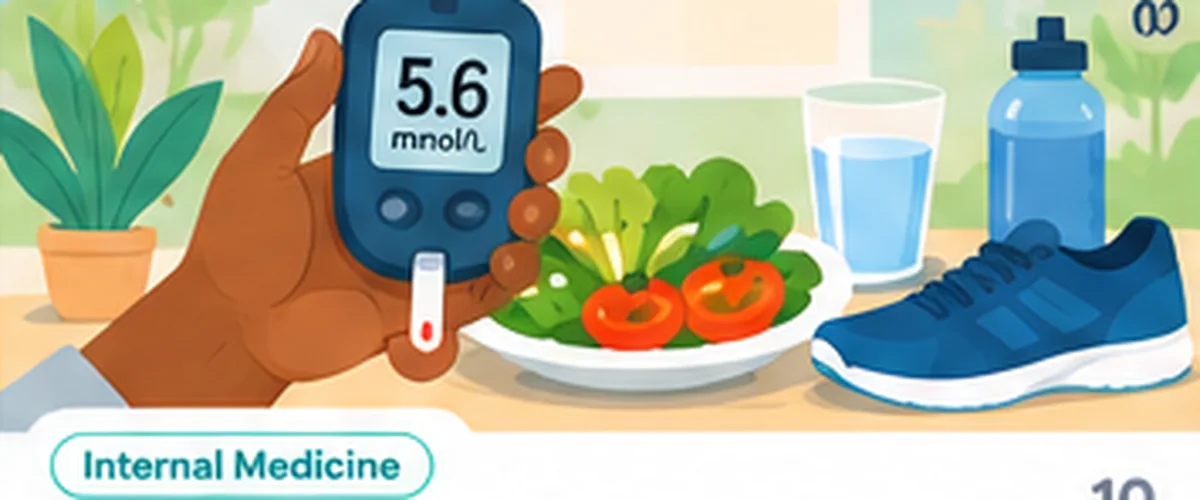
Key things to know
- Frequent urination, increased thirst, fatigue and unexplained weight loss can be diabetes symptoms.
- Some people with type 2 diabetes have few or no symptoms.
- Vomiting, deep rapid breathing, confusion or severe dehydration require emergency assessment.
Your quick illustrated guide
Swipe the cards or use the arrows. These are general reminders, not a personalised treatment plan.
Common symptoms
Possible signs include increased thirst, frequent urination, unexplained weight loss, fatigue, blurred vision and recurrent infections. Symptoms can develop gradually or rapidly.
These symptoms are not specific to diabetes. Blood testing and clinical evaluation are needed; do not diagnose yourself from symptoms alone.
Who can help?
A general practitioner or internal-medicine clinician can assess symptoms, order appropriate tests and arrange ongoing care. Endocrinologists can help with complex diabetes, difficult-to-manage glucose levels or related hormonal problems.
Children and adolescents with suspected diabetes require prompt assessment by an appropriate pediatric service.
What tests might be discussed?
Depending on the situation, clinicians may use blood glucose measurements or an HbA1c test. The choice and interpretation of tests depend on symptoms, pregnancy status and medical context.
Do not postpone urgent assessment while waiting for a routine laboratory appointment if you feel seriously unwell.
Living with a diagnosis
Long-term care can include nutrition support, physical activity, medication when indicated, and checks of blood pressure, kidneys, eyes and feet. The plan should be personalised.
Bring your medicines, prior laboratory results and questions about follow-up. Avoid stopping treatment or using unproven remedies in place of prescribed care.
Common questions
Can diabetes have no symptoms?
Yes. Some people have no obvious symptoms, which is why risk-based screening matters.
Is a single home glucose reading enough to diagnose diabetes?
Usually not. A clinician should interpret appropriate diagnostic testing.
Should I see an endocrinologist first?
Not always. Primary care or internal medicine can provide initial assessment and refer when needed.
Medical and public-health references
This guide is informed by published guidance. References are linked to their original publishers.
Prepared by the Akryn Health Editorial Team using established medical and public-health references, listed above. This information is educational and does not replace individual medical assessment, diagnosis or treatment.
Find the right professional for your concern
When you need non-emergency care, compare the published profiles, clinic locations and consultation options of Akryn Health specialists. There is no charge to browse profiles.
Explore specialists in Guyana
These specialists have currently published profiles in the relevant specialties. Their inclusion does not replace an individual assessment or imply endorsement of a specific treatment.
Dr. Danne Borjas Batista
Internal Medicine Physician
Dr. Mayra Izquierdo Duenas
Internal Medicine Specialist
Dr. Yaquelin Ricardo
Endocrinologist